Join the CVID Buy/Sell/Trade group!
Irish Dance Health & Fitness
Intermediate/Advanced Class Videos
Irish Dance technique requires strength, coordination and flexibility. This is not just important for good technique, but for preventing injury as well. Below are a few great resources with a lot of tips and tricks for staying strong and healthy while dancing!
Both sites have resources on them and lots of tips found in the 'blog' section. Additionally, they share a lot of valuable information on their social media pages, particularly Instagram.
Target Training
Feis Fit
Practice Music
Introduction
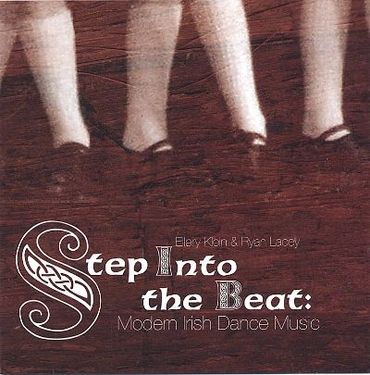
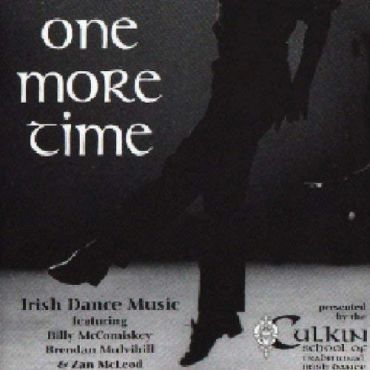
When dancers learn a new drill or step, they will generally work on it without music first and increase the speed as they become more comfortable with the footwork. When practicing, dancers can use a slower tempo while they learn how the steps fit in with the music and work to speed it up to the goal tempo. The "One More Time" Culkin album below has some very good songs that are a slower tempo.
If you would like to follow our practice playlists, you can find our Spotify account by clicking the link below.
Reel
Reel music is used for both drills and steps. As steps increase in difficulty, the tempo slows down.
Tempos:
Beginners: 122 or 124
Intermediate/Advanced: 115/116
Jig
Jig steps are sometimes called light jigs (there are different kinds of jigs in Irish dance!)
Tempos:
Beginner: 113/115/116
Intermediate/Advanced: 115
Slip Jig
Tempo:
Intermediate/Advanced: 113
St. Patrick's Day
Traditional Set. Speed 94.
Treble Jig
We use treble jig music for some hard shoe drills and steps.
Tempo: 73
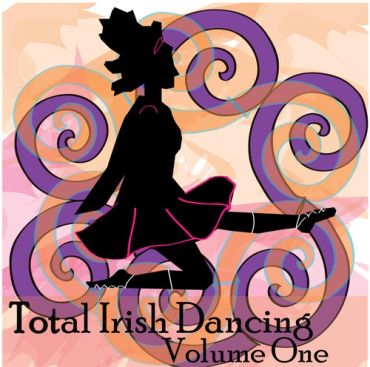
Favorite Albums
Shoe Guidance
Girls' Soft Shoes

Boys' Soft Shoes

Beginner and early-Intermediate boys wear jazz shoes.
Hard Shoes
Hard Shoes
When dancers advance to the Intermediate/advanced class, they will begin to learn hard shoe. Hard shoes are also called Jig Shoes or Heavy Shoes in the UK.
Buying Irish Dance Shoes
RECOMMENDED BRANDS
There are a variety of different shoe brands, many of which produce a nice quality shoe. Two of my favorites that tend to have better products are Antonio Pacelli and Rutherford. There are many other reputable brands, but these are the ones I have used personally.
WHERE TO BUY
You can buy shoes new, from the vendor or another Irish dance shoe vendor.
The closest in-person vendor is Moloney’s Irish Imports in St. Paul. You can find their website here.
You can also buy used shoes. There are a couple of Facebook groups that serve this purpose, you will just want to be sure of the size you need in that particular brand before purchasing. These groups may be international, so also check on where they would be shipping from to avoid any large shipping fees. Two links to groups for used shoes for sale: https://www.facebook.com/groups/276644582433304/ https://www.facebook.com/groups/680338302072766/
Breaking in Hard Shoes
Breaking in new hard shoes takes more time and concentrated effort than breaking in soft shoes. The best way to break them in is to wear them around the house and dance in them. I have also bent them in half and fastened VERY strong elastic bands around them and kept them that way for awhile. I know of others who have folded them and put them under the leg of a couch. The latter two methods are effective in getting the shoes to flex more, but dancing in them to break them in ensures that the shoes are bending and getting broken in in the right places.
Fair warning... you will most likely get blisters. I highly recommend Blister Block to help cushion and heal them if/when this occurs!
Costuming
Kids: What to wear for performing!
Beginner Kids:
Group t-shirt and black shorts.
Intermediate Kids:
Group t-shirt, black Irish dance skirt and poodle socks. Shorts underneath.
Advanced Kids:
TBD
Teens and Adults
Teens and Adults:
Green v-neck shirt, often worn with black bottoms.
Long sleeve and sleeveless leos
Black pleated skorts (link incoming)
Plaid skirts and belts (custom made)
School skirts (knotwork on the bottom, custom made)
This website uses cookies.
We use cookies to analyze website traffic and optimize your website experience. By accepting our use of cookies, your data will be aggregated with all other user data.